
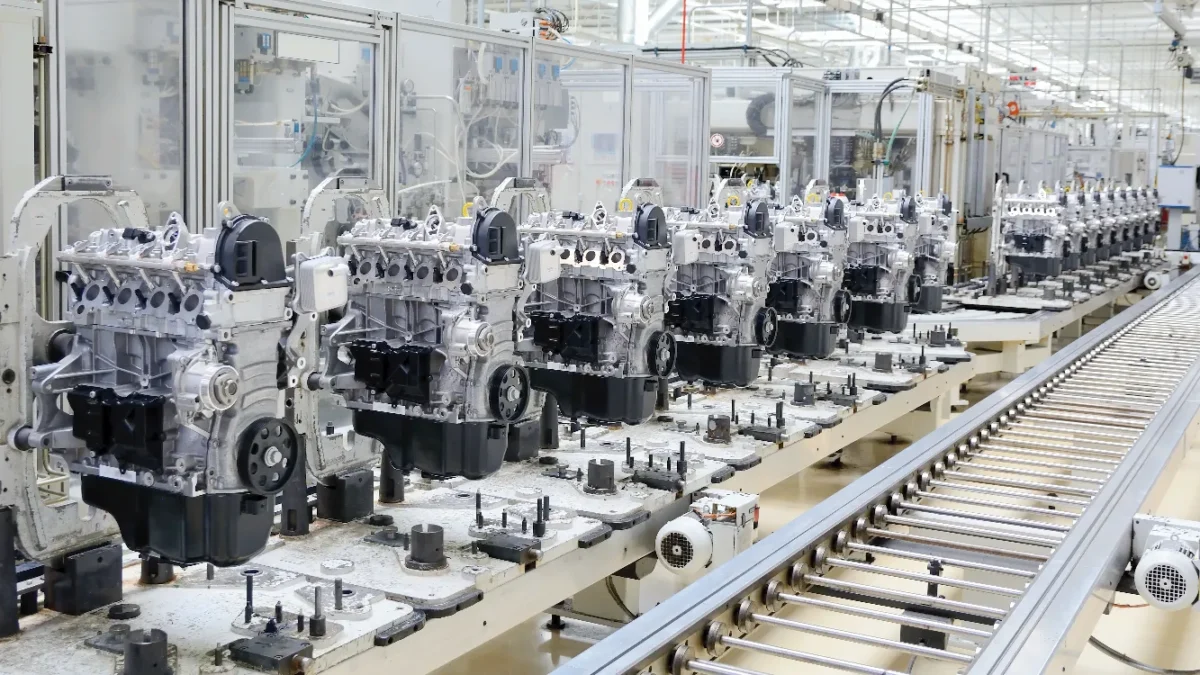

In automotive manufacturing, automotive control panels serve as the operational center for robotic cells, conveyor systems, assembly equipment, inspection stations, and material-handling systems. These industrial control panels coordinate devices, process inputs, manage safety functions, and communicate with plant-wide networks. While the control panel is often viewed as a single component within a larger automation project, its design can significantly impact production line reliability. Decisions made during engineering and assembly affect startup performance, troubleshooting efficiency, maintenance requirements, and future system modifications.
For manufacturers investing in new automation equipment or upgrading existing systems, understanding the design features that contribute to reliable operation can help reduce downtime and support long-term production goals.
Reliable Operation Starts with Component Selection
The performance of any control panel depends on the quality and suitability of its components. Automotive manufacturing environments often require equipment to operate continuously for extended periods. Components must be able to handle electrical loads, environmental conditions, and communication requirements while maintaining consistent performance.
Selecting proven PLCs, HMIs, power supplies, motor controls, safety devices, and networking hardware helps reduce the risk of failures that can interrupt production. Equally important is considering long-term availability. Components that become obsolete shortly after installation can create challenges when repairs or expansions are required. A well-designed automotive control panel balances performance requirements with maintainability and future support considerations.
Panel Layout Influences Maintenance Efficiency
The internal arrangement of components directly impacts how quickly maintenance personnel can diagnose and resolve issues. Organized layouts provide adequate spacing between devices, clear separation of power and control circuits, and logical placement of components based on function. When technicians can easily identify and access devices, troubleshooting becomes faster and safer.
Poorly organized panels may require maintenance personnel to spend additional time tracing wires, locating components, or working in confined spaces. Those delays can increase downtime and extend repair activities during critical production periods. A structured panel layout supports efficient maintenance throughout the system’s life.
Wiring and Labeling Simplify Troubleshooting
Troubleshooting often becomes more difficult when documentation and physical panel construction are inconsistent. Clearly labeled wires, terminal blocks, devices, and communication connections allow technicians to quickly identify circuits and verify system operation. Consistent labeling practices also help reduce errors during maintenance, upgrades, and component replacement.
Good wiring practices also contribute to reliability. Proper routing, wire management, separation of electrical noise sources, and secure terminations help maintain signal integrity and reduce the likelihood of intermittent faults.
When production issues occur, the ability to quickly trace a circuit can significantly reduce downtime.
Safety Systems Must Support Both Compliance and Productivity
Automotive manufacturing facilities rely heavily on machine safety systems to protect personnel and equipment. Modern automotive control panels frequently incorporate safety relays, safety PLCs, emergency stop circuits, light curtains, interlocked guarding, and other protective devices. These systems must be integrated correctly to meet project requirements while enabling efficient operation of equipment.
Safety circuits that are difficult to troubleshoot or maintain can create unnecessary delays during production interruptions. Clear documentation, proper labeling, and thoughtful system design help maintenance teams identify safety-related issues without extensive investigation. A reliable safety system supports both operational performance and protects the workforce.
Network Integration Has Become Increasingly Important
Many automotive production systems depend on communication between controllers, robots, drives, HMIs, vision systems, and plant-level software platforms. As automation systems become more connected, network design plays a larger role in overall reliability. Communication interruptions can affect production performance even when individual devices remain operational.
Control panels should be designed with network architecture, device connectivity, and future expansion requirements in mind. An organized communication infrastructure and clearly documented network configurations simplify diagnostics when issues occur. Reliable communication is essential for maintaining visibility and control across manufacturing operations.
Testing Before Installation Reduces Startup Risk
One of the most effective ways to improve reliability is by identifying issues before equipment arrives at the facility. Factory acceptance testing (FAT) allows engineers to verify wiring, component operation, communications, safety functions, and control logic before shipment. Discovering and correcting problems during fabrication is generally less disruptive than addressing them during installation or commissioning.
Comprehensive testing can also improve confidence that documentation matches the finished panel and that systems will perform as intended when power is applied onsite. For automotive manufacturers working under tight project schedules, pre-shipment testing can help reduce startup delays and avoid unexpected troubleshooting.
Design for Future Expansion
Production requirements rarely remain static. Manufacturing facilities frequently add equipment, modify processes, or increase production capacity over time. Control panels designed with future expansion in mind can simplify these changes and reduce engineering costs. Additional I/O capacity, available panel space, network scalability, and standardized design practices make future modifications easier to implement. Planning for growth during the initial design phase can help manufacturers avoid unnecessary redesigns when operational requirements evolve.
Documentation Supports Long-Term Reliability
Even the most well-built control panel becomes difficult to maintain without accurate documentation. Electrical schematics, network diagrams, panel layouts, bills of materials, and device information provide the foundation for troubleshooting and future modifications. When documentation is incomplete or outdated, maintenance personnel often spend additional time identifying system configurations before repairs can begin. Comprehensive documentation helps preserve system knowledge and supports consistent maintenance practices throughout the life of the equipment.
Automotive Control Panels and Production Reliability
Automotive control panels play a critical role in the performance of modern manufacturing systems. While attention often focuses on robotics, software, and production equipment, the design of the control panel influences how effectively those systems operate.
Component selection, panel layout, wiring practices, safety integration, network design, testing procedures, and documentation all contribute to long-term reliability. Manufacturers that prioritize these factors during the design and fabrication process can reduce downtime, simplify maintenance, and improve overall production performance. When evaluating automotive control panels for a new project, reliability should be seen as the result of many design decisions working together, rather than as a feature added at the end of the process.
Partner with Kasa for Automotive Control Panels and Automation Support
Kasa supports automotive manufacturers with automotive control panels and automation systems designed for production equipment, material handling, and plant-floor communication. The work connects panel fabrication, controls engineering, PLC and HMI programming, conveyor sequencing, safety integration, and startup support to enable the system to be built, tested, installed, and supported as a complete package.
If you are planning a new automotive automation project, upgrading an existing line, or evaluating automotive control panels suppliers, contact Kasa to discuss your control panel, integration, and support requirements.